
The Challenge
Overview
BluePlastics are a Dutch tech start-up with some big backers, big brains, and a very very big idea. They have created a new technology which makes more plastic recyclable in a greener way. They had their technology ready to go; what they needed was a way to stand out.
BluePlastics have developed a technology to wash plastics in a way that allows them to be recycled and reused more often reducing the products carbon footprint and bringing the world a step closer to a close cycle of plastic usage.
The Background
BluePlastics had invested years into creating a cutting edge recycling technology – their vision was to create an entirely circular economy for plastics, to free the world from pollution and to reduce the levels of microplastics in the oceans.
They had the technology, they had the proof of concept and they had backers. What they needed was a way of getting noticed by much larger corporations and eventually by the European Parliament.
Strategy
The Task
The green economy is crowded, with small firms wanting to change the world, big firms wanting to change their reputations and opportunists trying to get a piece of the action. So, how do you stand out when everybody is saying the same thing – especially when discussing such a complex proposition.
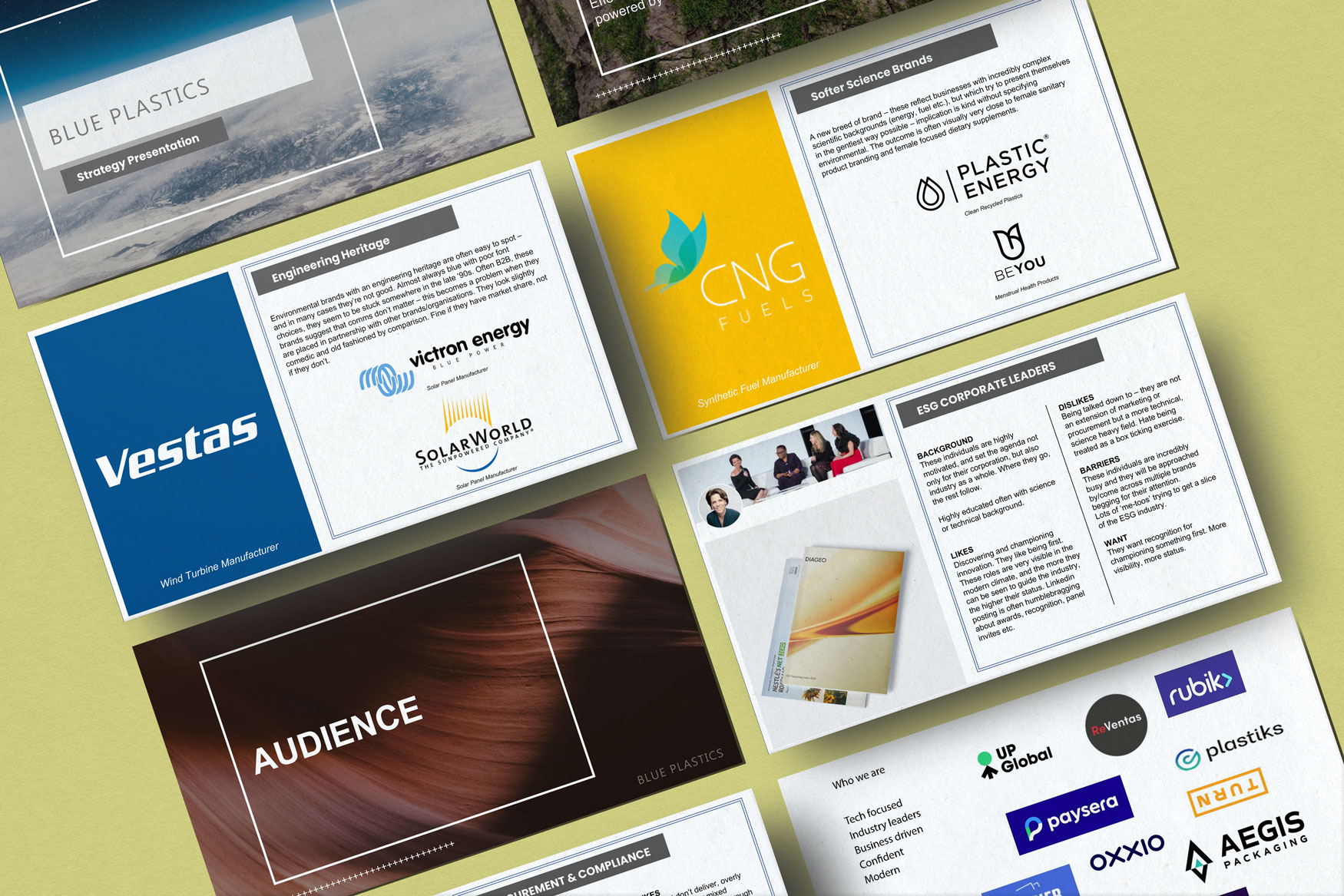
I took the clients on a journey – through target audiences, and through a brand audit of the sector and related sectors. With these kind of exercises, I’m looking for opportunity, to step away from the obvious and to find the insight that will help my client stand out.
The first challenge to reach the first tier of our target audience (high status, high performing ESG directors at large corporations) showed just how little time we had to communicate and how crowded the space was. This then cascaded down with ESG managers and procurement managers (or those trying to hit ESG targets for procurement) who were having trouble selling concepts to their own board. They also needed something short, easy to understand and easy to consume.
Therefore we looked at the sector. It quickly emerged that here is not yet a ‘naming consensus’ when it comes to continuously recyclable plastics. This then created the opportunity – not to position BluePlastics as a simple brand offering a service, but to postion them as the product itself and to attempt to take ownership of the term.
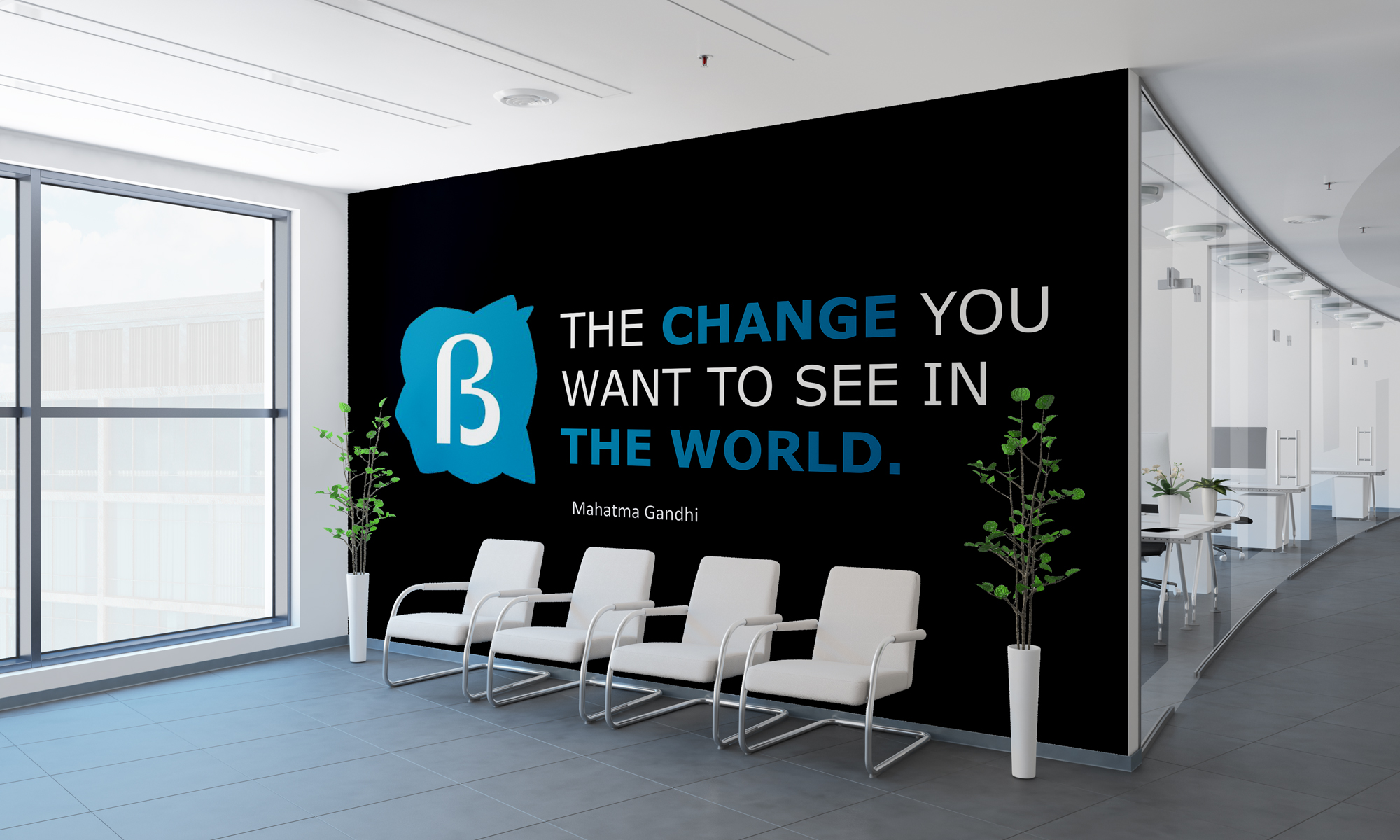
We created a mark that embraced the problem (the discarded plastic ‘scrunch’ device) rather than going for softer more traditional green identifiers.
We also created the language to communicate exactly what BluePlastics meant. ‘Blueplastics, not new plastics’ sets the stage simply and in less than three seconds. The ‘B’ device allows us to enter the space of things like the recycling logo – ‘made of Blueplastics’. This will help the company take ownership of the sector and start to make the wider sell quicker and simpler.
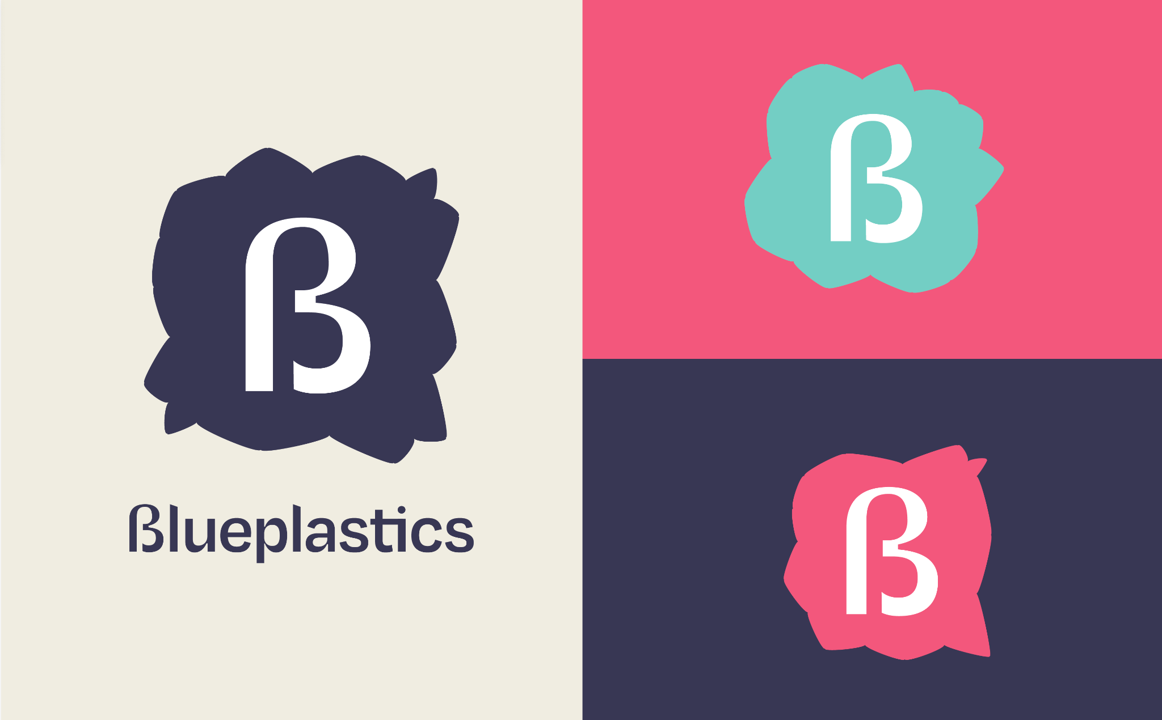
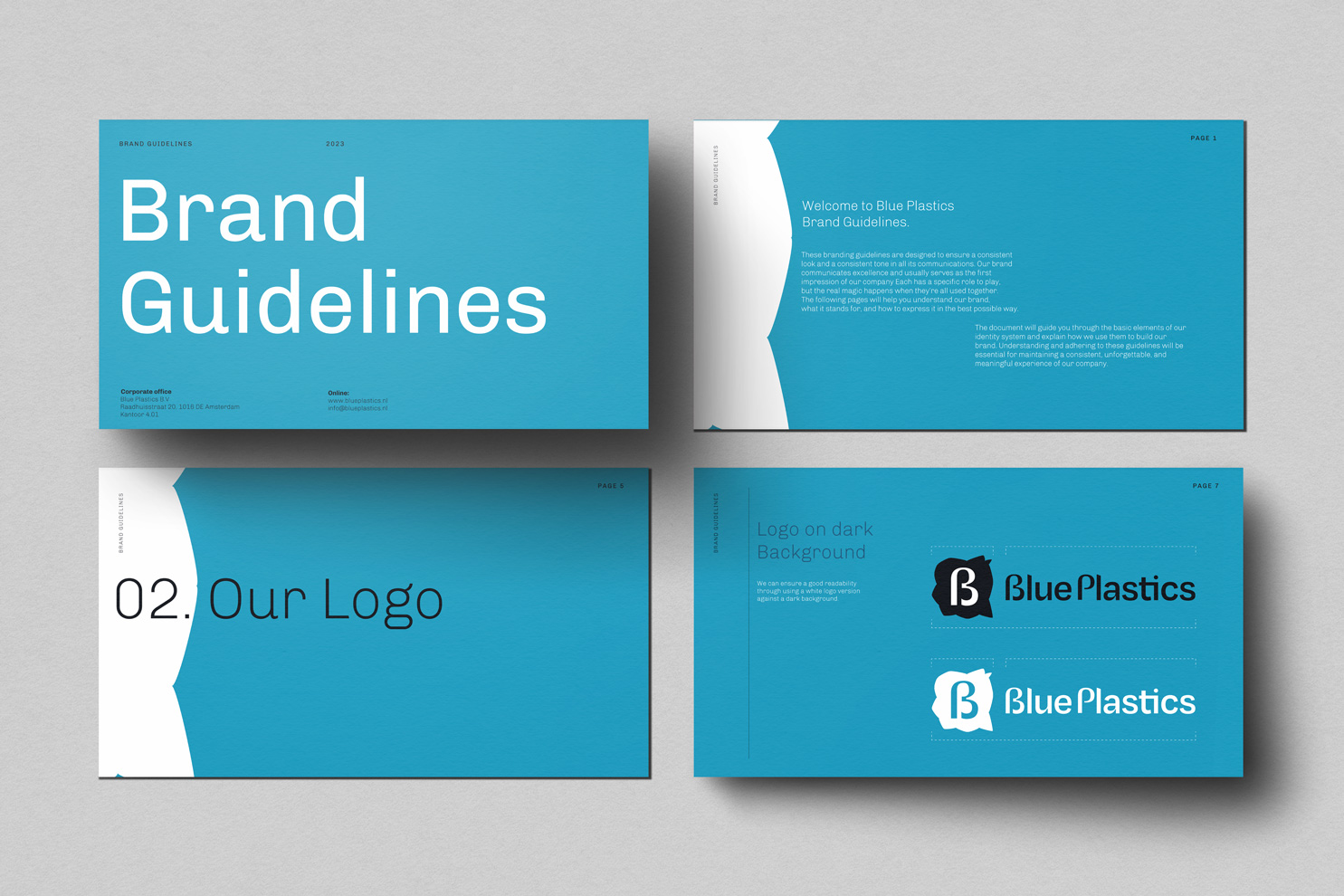
As part of the brand strategy we created tone of voice documents, messaging hierarchies and RTB stacks, as well as brand guidelines to ensure that the mark could live comfortably in multiple environments.
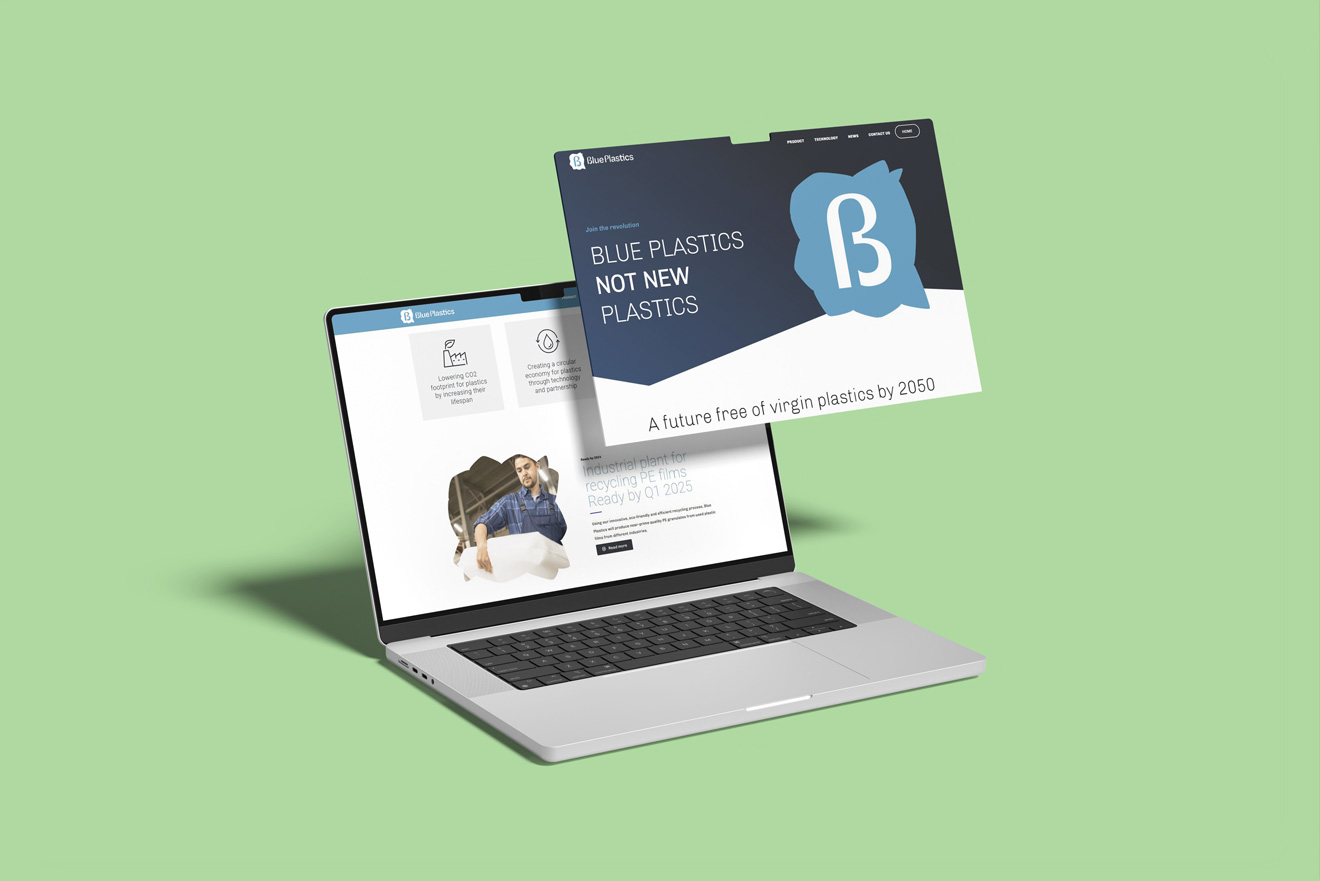
We then created a simple web environment for the brand that got the message across to the target audience in the simplest possible way.